eng
During your stay at the Grand Hotel Villa Politi, between a refreshing dip in the pool and a leisurely stroll through the Latomie dei Cappuccini Park, you can take advantage of the hotel’s proximity to Syracuse’s most important historical sites and landmarks, discovering the origins of the civilisation that shaped the city and what it represents today.
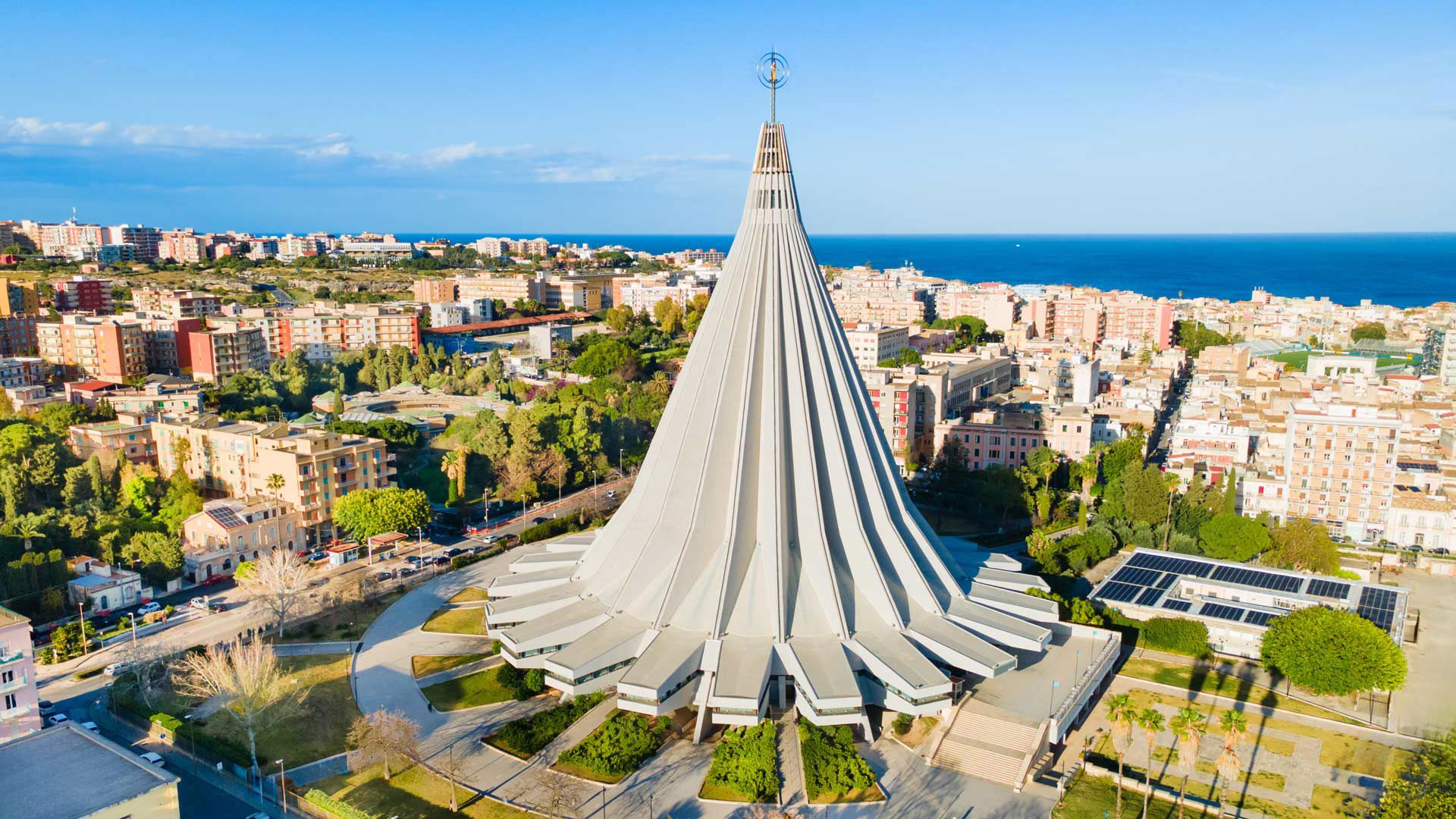
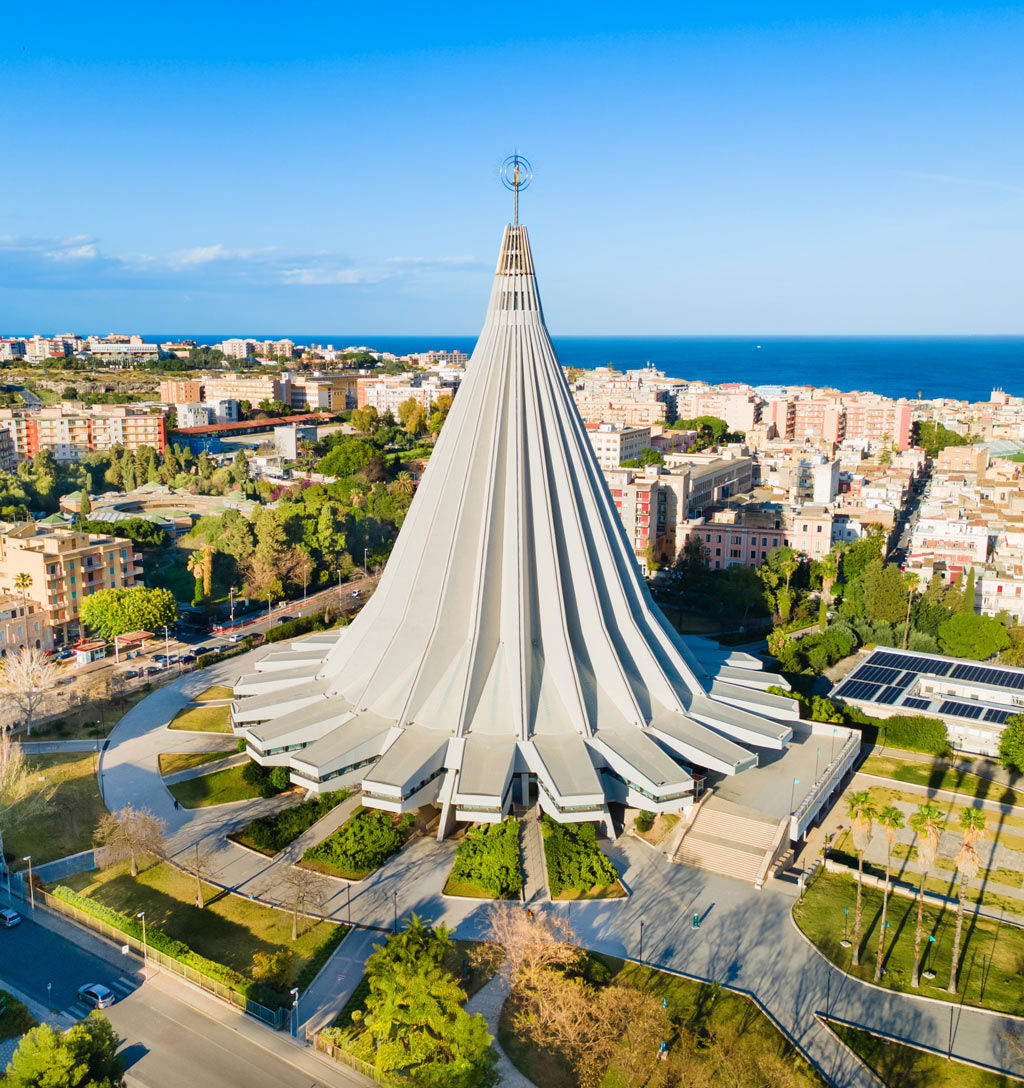
The Catacombs of San Giovanni and the Sanctuary of Our Lady of Tears are two important places of worship in Syracuse, both easily accessible from Villa Politi. Dating back to the 3rd century AD, the Catacombs are among the largest early Christian complexes in Europe and bear witness to the city’s deep Christian roots. The Sanctuary, on the other hand, is linked to the Miracle of the Weeping of 1953: a place of spirituality and hope, distinguished by its modern, vertical architecture that stands out in the urban landscape of Syracuse.
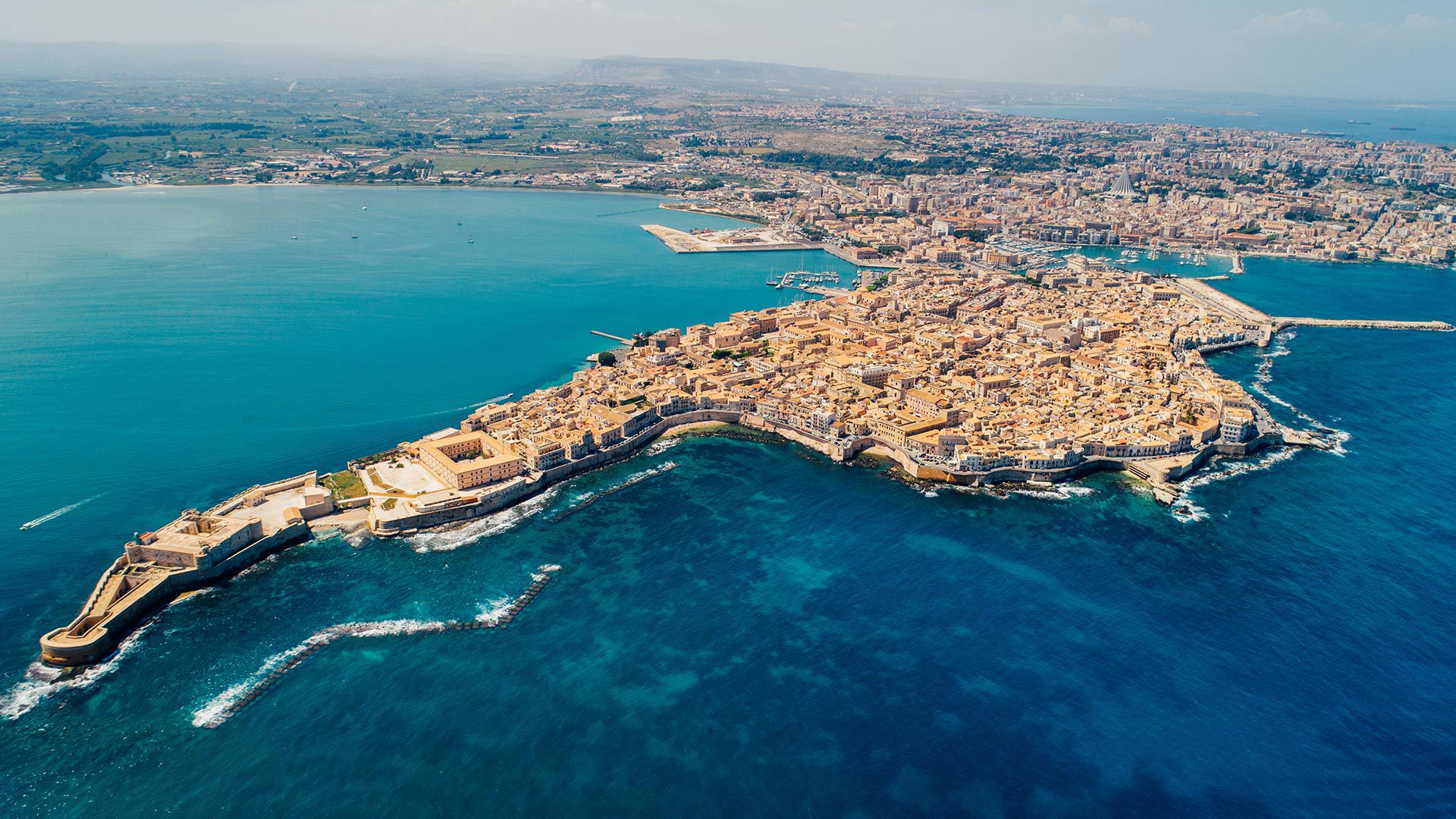
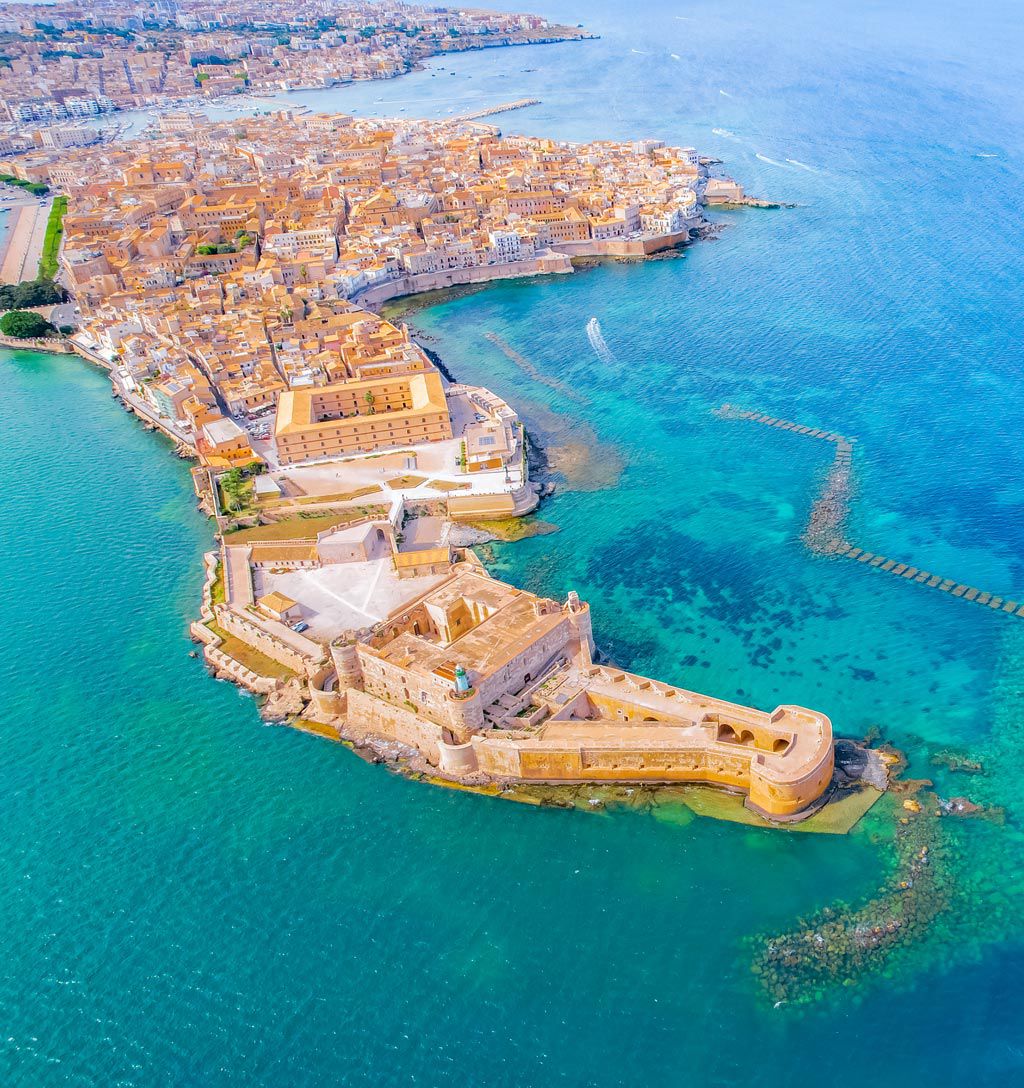
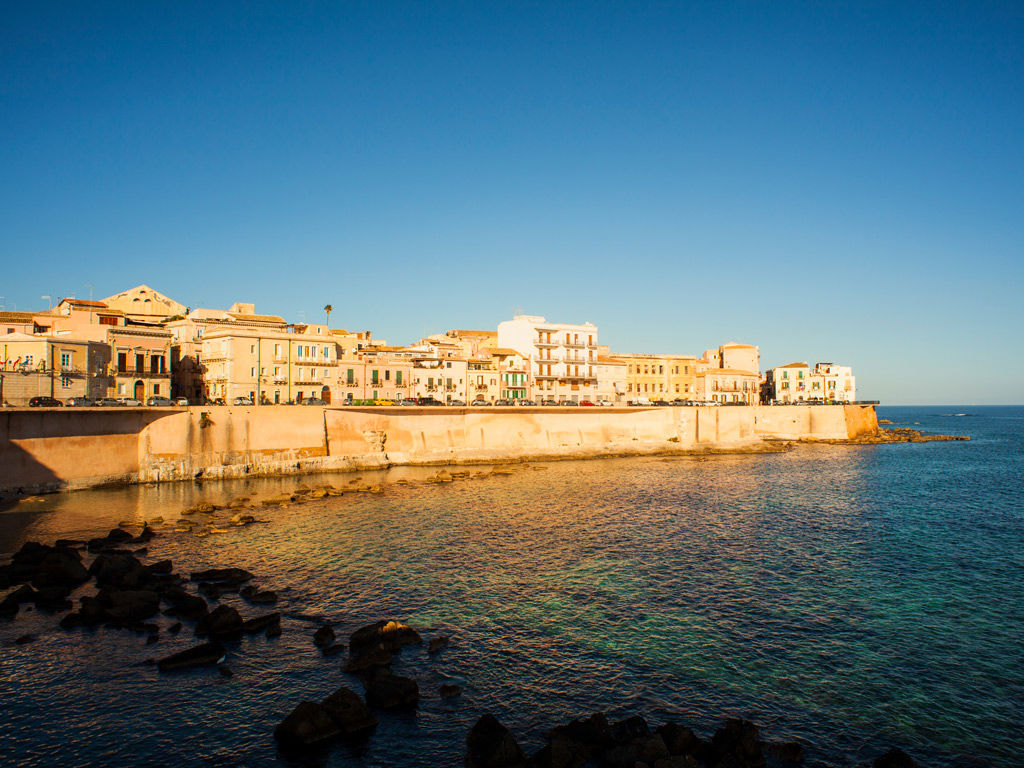
Ortigia, the ancient and vibrant heart of Syracuse, is connected to the mainland by the Umbertino Bridge, the continuation of Corso Umberto dating back to the 20th century, which leads to the Syracuse Forum and the local market. A true Mediterranean jewel, Ortigia preserves timeless treasures from the era of Magna Graecia: from the Temple of Apollo to Maniace Castle, from the Fountain of Arethusa, linked to the famous myth of the nymph, to the Alfeo seafront, named after the river god who fell in love with her.
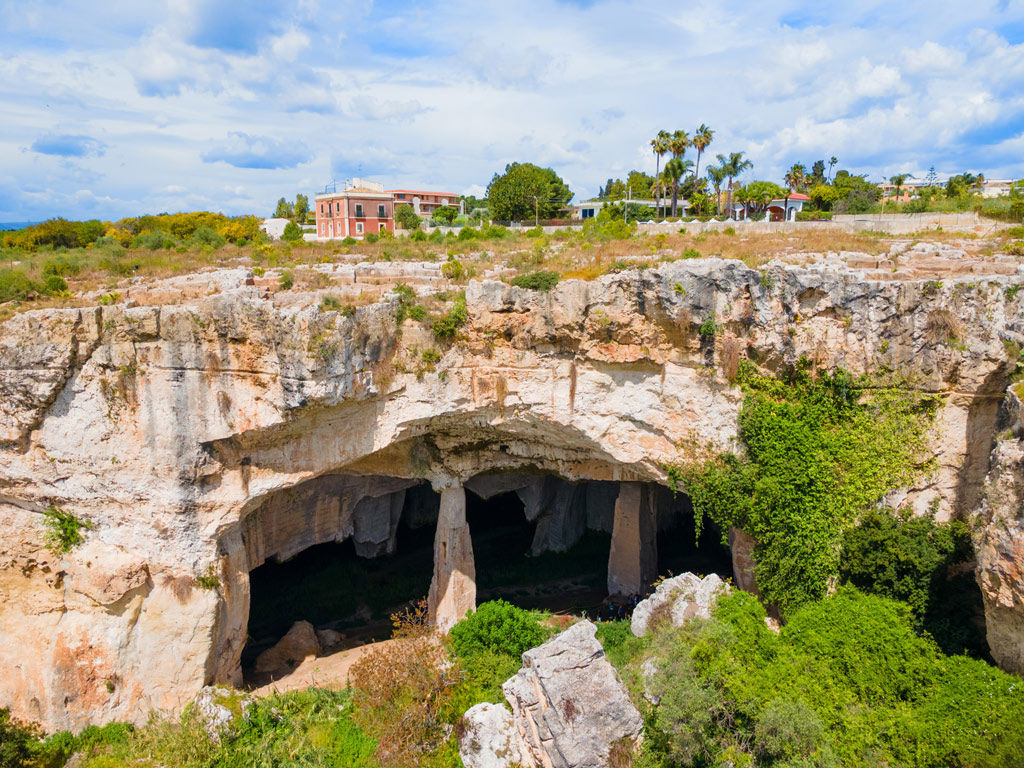
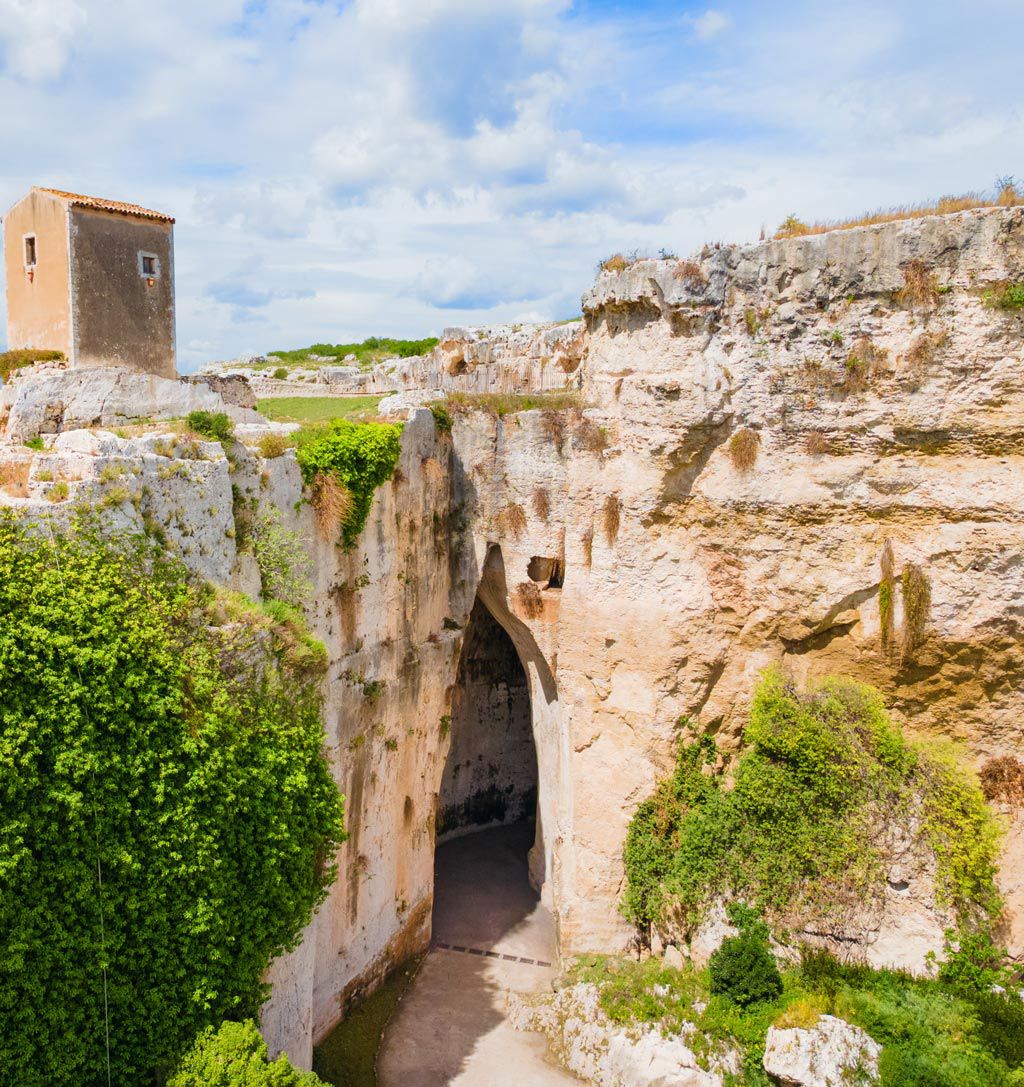
Dionysius’ Ear is an artificial limestone cave approximately 23 metres high and 65 metres deep, located within the Latomia del Paradiso in Syracuse. Its exceptional acoustic properties and distinctive S-shaped form explain the legend behind its name, attributed in the 17th century to Caravaggio. According to tradition, the cave was commissioned by the tyrant Dionysius to eavesdrop on the conversations of his prisoners, amplified by the natural echo.
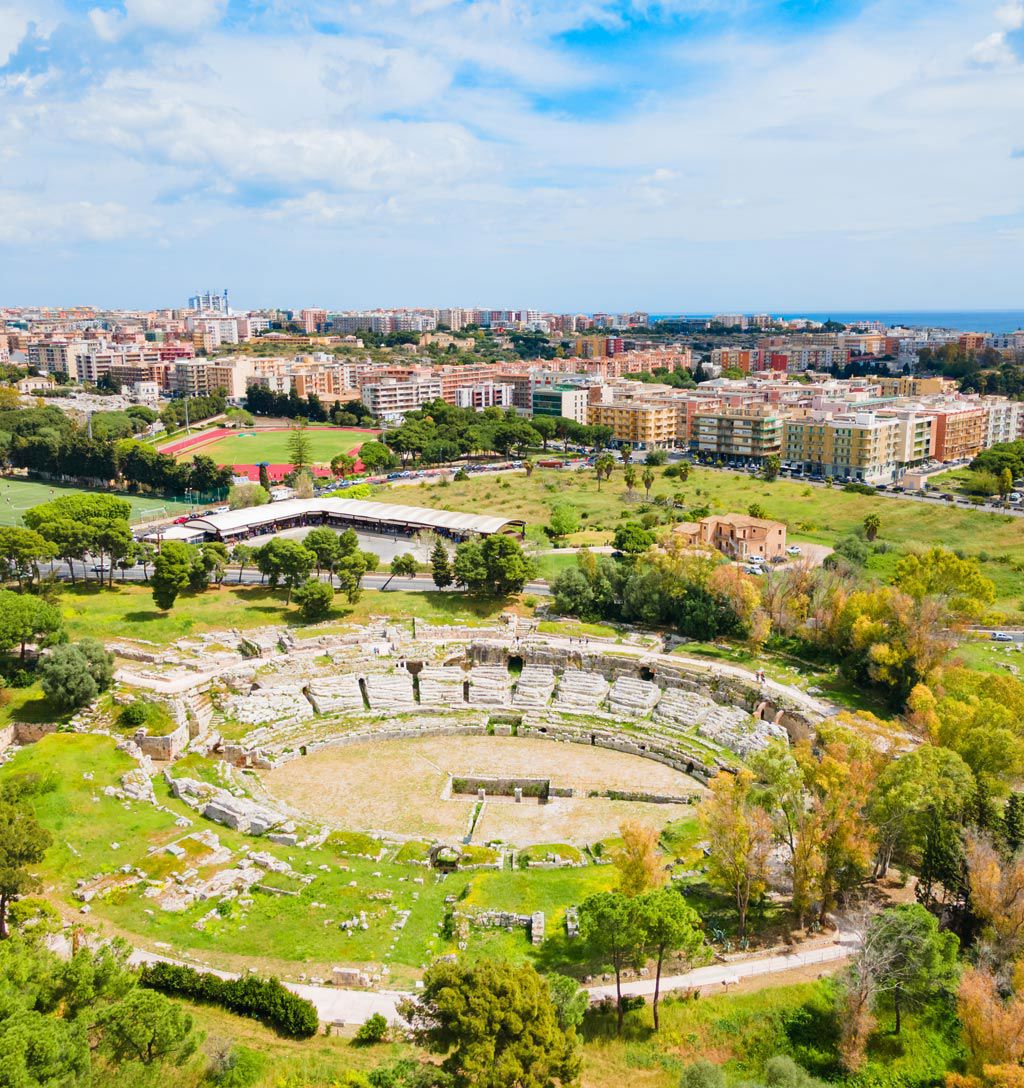
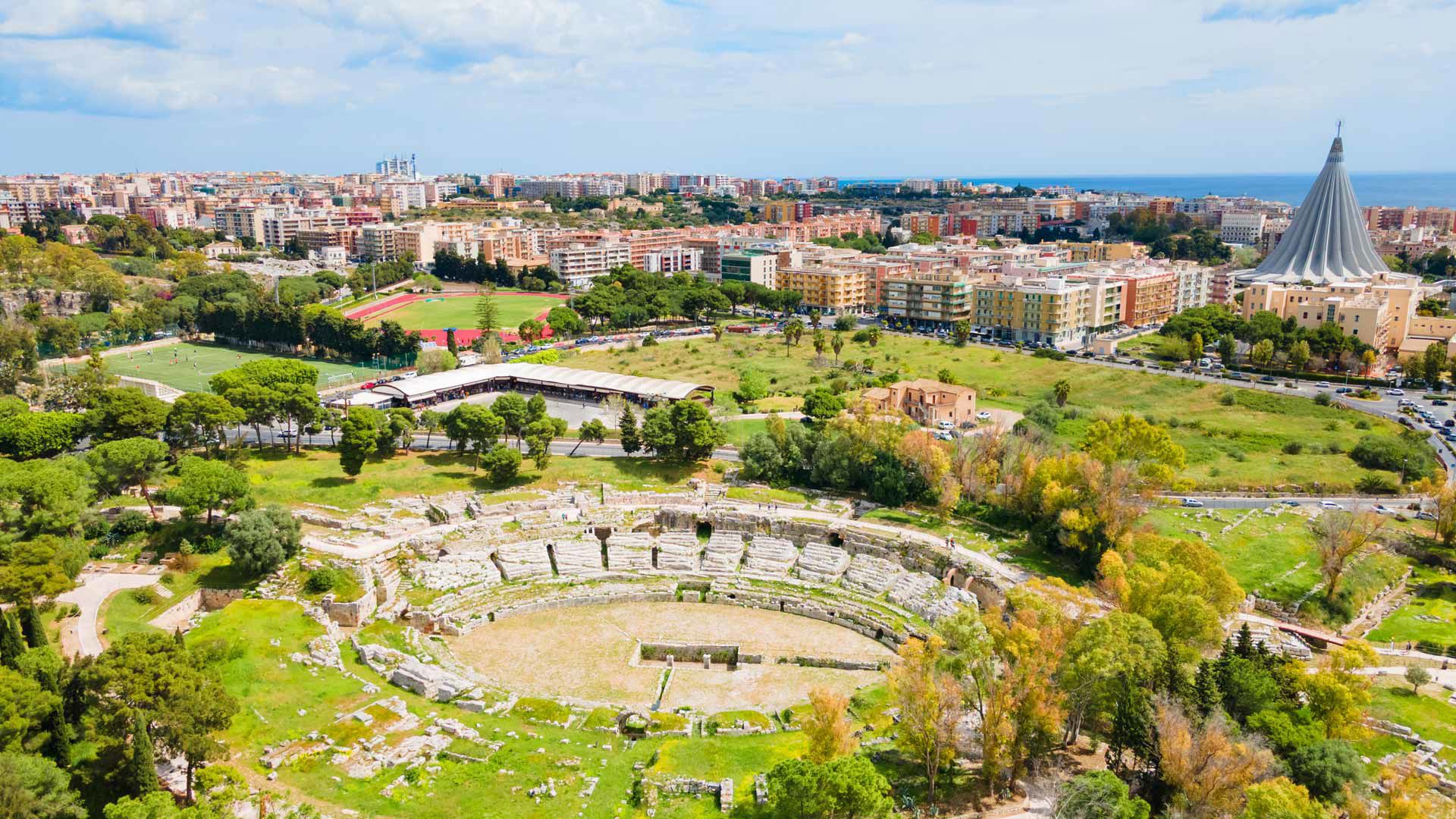
The Neapolis Archaeological Park brings together some of the most significant monuments of Syracuse and of the Greco-Roman civilisation in which the city has its roots. At the heart of this vast monumental complex stand the Greek Theatre, the Roman Amphitheatre and the Altar of Hieron II, framed by the Latomiae of Paradise and Santa Venera, which are home to Dionysius’ Ear, the Cordari Cave and, in the surrounding area, the Tomb of Archimedes.